| Table of Contents |
|---|
Create a Logon Procedure
- Login to the DualShield Administration Console
- In the main menu, select navigate to "Authentication > | Logon Procedures"

3. Click the Create button on the toolbar"+ CREATE" button in the toolbar
4. Enter Name and select Web SSO as the typean appropriate friendly "Name", then select 'Type' as "Web SSO":

5. Click Save"SAVE" to create.
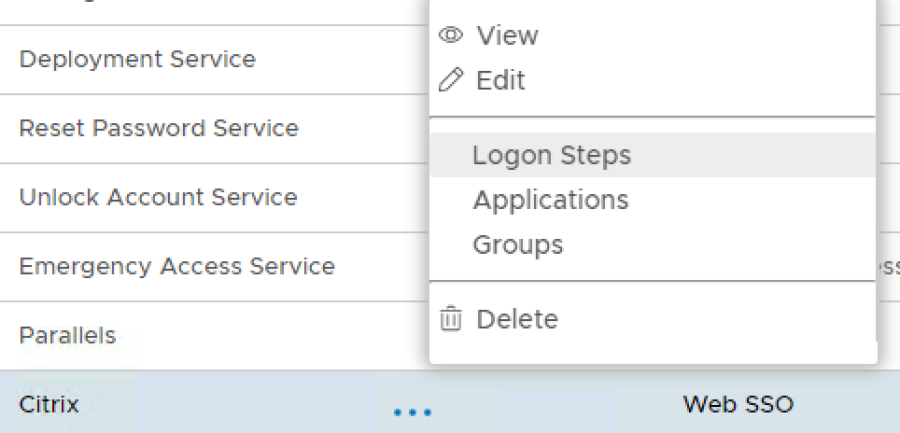
6. Click the Context Menu context "..." menu icon of the newly create logon procedure, select then "Logon Steps".
7. In the popup windows, click on Add
...
Select the "+ ADD" button on the top-right corner, to Add an authentication method.
8. Select the desired authentication method, e.g. such as "Static Password" (AD credentials):

9. Click Save"SAVE" to create.
10. Repeat steps 7-9 to add more logon steps if desiredauthentication Logon Steps as necessary, e.g . "One-Time Password.":

Create an Application
- In the main menu, select Authentication > Applicationnavigate to "Authentication | Applications"

2. Click on Create
...
the button "+ CREATE"
3. Enter an a relevant friendly "Application Name"
4. Select a Realm that is bound to your domainfrom the drop-down your internal AD "Realm"
5. Select the newly created Logon ProcedureLogin Procedure created in a previous step:

6. Click Savethe "SAVE" button to create.
7. Click the context "..." menu of the newly created applicationApplication, select Agent
...
then select "Agents"
8. Select from the list, the "Single Sign-on Server / SSO"
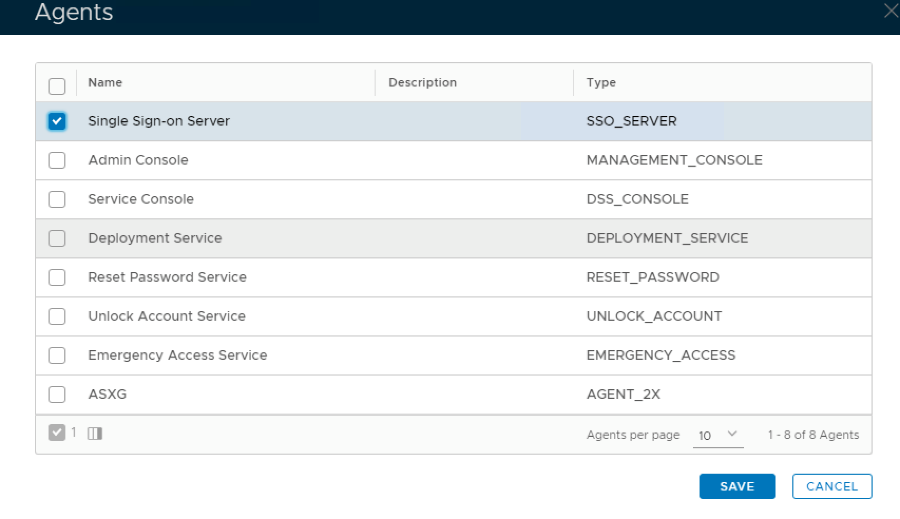
9. Click Save"SAVE" to confirm.
10. Click Finally click the context "..." menu of the newly created applicationApplication, then select "Self Test

11. If configured correctly all the tests should pass, as below.
" to confirm all associations are in place:

Create a SAML 2.0 Service Provider Configuration for Citrix Workspace.
1. In the main menu, select navigate to "Identity > | Identity Attributes"

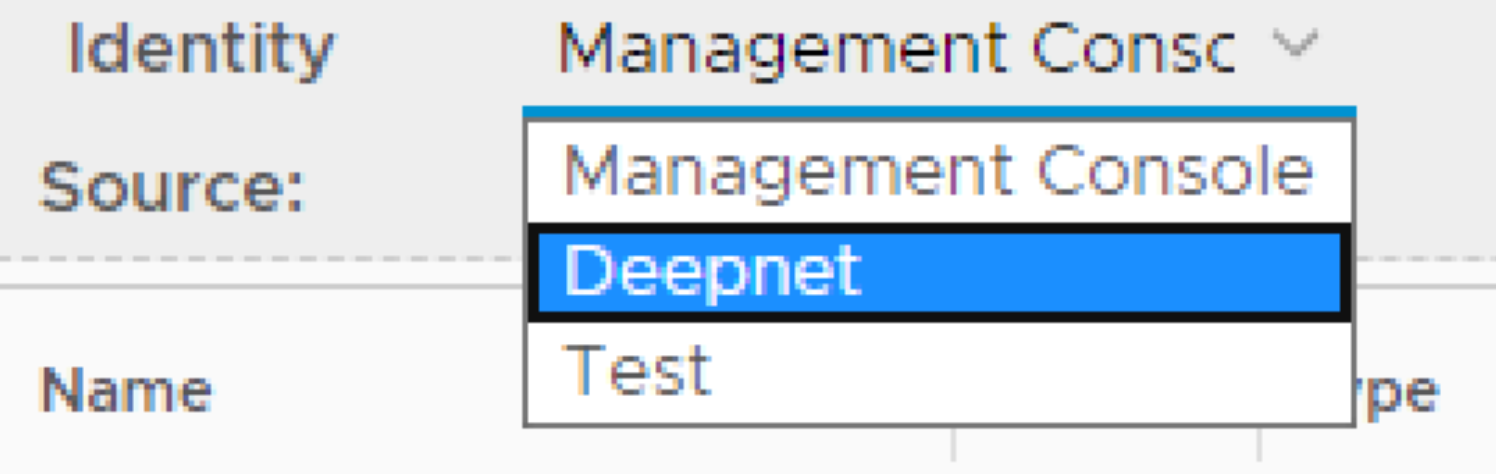
2. Select the "Identity Source that the domain you wish to use for authentication is bound to
3. Click on Create on the top right.
...
" associated with your internal Domain, for authentication:

3. Then select "CREATE" to confirm.
4. Create a new identity attribute called objectSid named "objectSID", plus matching the settings as per screen shot below. Make sure the data type in the screenshot below.
Note 'Data Type' is set to Binary"BINARY":

5. Click Save"SAVE" to confirm. You will now should now see the objectSid "objectSID" attribute listed under 'Identity Attributes…':
6. Log into in to Citrix Cloud
7. Click on the menu icon on at the top left .of the console:

8. Select Identity and Access Management from At the drop-down menu, that appears:select "Identity and Access Management":

9. Click on the the Ellipsis (…) next to SAML and , then click "Connect from " from the drop-down option.

10. On the Configure Saml page "Configure SAML" page, click  next to "SAML Metadata" option.

11. On the Back within DualShield Administration Console, select navigate to "SSO > | Service Providers"...

12. Click Create
...
. Select "CREATE" to confirm.
13. In the "SSO Server" field, select your DualShield the default SSO server Server from the list, "Single Sign-on Server"
14. In the "Name field" field, enter the name an appropriate "Name" for the Service Provider to be created
15. In at the "Type field" drop-down, select "SAML 2.0 0":

...
16. Click the "CREATE METADATA" button. A 'Metadata' window will open.
17. Open the SAML
...
XML Metadata file you downloaded from the Citrix Cloud, in a text editor..

- Select all and copy and past into the Service Provider Metadata box on DualShield.

- Click Save
- Enable Sign on SAML Assertion under SAML Options
- Click on Attributes tab at the top

...
18. Select All - then Copy. Paste this content then in to the DualShield 'Metadata' window:
19. Click "SAVE" to confirm.
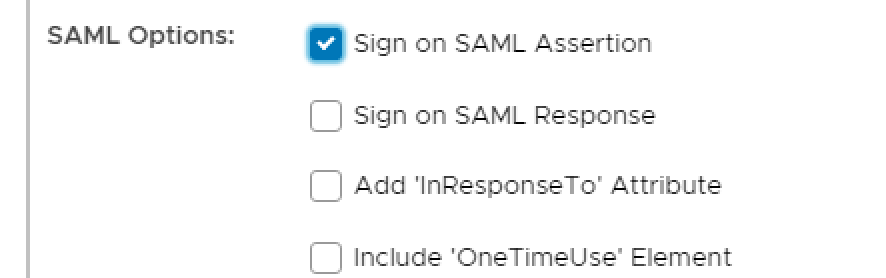
20. Within 'SAML Options' enable tickbox options "Sign on SAML Assertion" and "Add 'InResponseTo' Attribute":

21. Select the "Attributes" tab:
We must now add the following Attribute names which are required by the Service Provider.
cip_email
cip_upn
cip_oid
cip_sid
With the exception
...
of cip_sid the above attributes will be mapped to their counterpart 'DualShield Identity Attributes', which in turn are mapped to the Active Directory account attributes.
For example:
Citrix SAML Attribute | DualShield Identity Attribute | AD Account Attribute |
cip_email | ||
cip_upn | userPrincipalName | userPricipalName |
cip_oid | uuid | ObjectGUID |
In steps Steps 1-5 you created a new Identity Attribute called objectSID. This will be specified in a script which will be applied to the cip_sid Citrix Attribute
- Click Create
22. Click "+ CREATE" button
23. On the Attributes builder specify Location as HTTP Body and enter cip_upn as the name for this attribute.

24. Click on the search symbol to the right of the "Maps To" field.

25. Select the identity source that will be used and select User Principal Name from the Maps to drop down list:

...
26. Click "SAVE" button to update.
27. Click "SAVE" again
28. Repeat Steps 21 - 23, for the next attribute cip_oid

29. Repeat
...
Steps 24 & 25 but this time map to Unique Identifier

...
30. Click "SAVE" to confirm
31. Click "SAVE" at the next window
32. Repeat the process above, one more time. Name the attribute cip_email and map to email.

33. For cip_sid, create a new attribute and name it cip_sid

34. Under
...
'Value' section. select option "Script"

35.
...
Copy and paste the following script into the text box
...
:
| Code Blockunmigrated-wiki-markup |
|---|
if (!objectSid) return null; \\ byte\[\] sid = objectSid.decodeHex(); \\ if (sid.length<8 || sid.length % 4 != 0) return ""; \\ StringBuilder sb = new StringBuilder(); sb.append("S-").append(sid\[0\]); int c = sid\[1\]; // Init with Subauthority Count. \\ // Default order is BIG_ENDIAN java.nio.ByteBuffer bb = java.nio.ByteBuffer.wrap(sid); sb.append("-").append((long)bb.getLong() & 0XFFFFFFFFFFFFL); bb.order(java.nio.ByteOrder.LITTLE_ENDIAN); // Now switch. \\ for (int i=0; i<c; i++) \{ // Create Subauthorities. sb.append("-").append((long)bb.getInt() & 0xFFFFFFFFL); \} return sb.toString(); |
36. Click
...
"SAVE". The "Service Provider Attributes" window should now look like this
...
:

37. Click
...
"General Settings" at the top

38. Set the default attribute to cip_upn (You can click anywhere in this field to change it.)

...
39. Finally click "SAVE" at the bottom to confirm settings.